Disclaimer: This article is for informational purposes only and is not intended as medical advice. Always consult a licensed healthcare provider before starting or changing any medication.
💊 What Is Adderall and How Does It Work?
When discussing things to know about Adderall, it’s essential to start with a basic understanding of what it is and how it works.
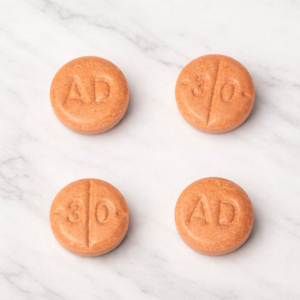
Adderall is a prescription medication composed of two stimulant compounds: amphetamine and dextroamphetamine. These substances stimulate the central nervous system (CNS) and are primarily used to treat Attention Deficit Hyperactivity Disorder (ADHD) and narcolepsy.
Adderall works by increasing dopamine and norepinephrine levels in the brain. These neurotransmitters are associated with:
- Attention and focus
- Alertness
- Impulse control
- Motivation
When prescribed and used correctly, Adderall can significantly improve focus, cognitive performance, and behavioral regulation, particularly in individuals diagnosed with ADHD.
However, as with any stimulant, Adderall should be taken with caution under a doctor’s supervision.
✅ 1. Adderall’s Intended Uses and Medical Benefits
One of the most important things to know about Adderall is that it’s not a “study drug” or energy booster for the general population—it is a therapeutic medication for specific, diagnosed conditions.
Approved medical uses:
- ADHD: Helps manage symptoms such as inattention, impulsivity, and hyperactivity.
- Narcolepsy: Aids in promoting wakefulness in individuals with chronic daytime sleepiness.
For individuals with ADHD, Adderall often leads to:
- Better focus and attention span
- Reduced impulsivity and restlessness
- Improved academic or occupational performance
- Greater self-esteem and emotional regulation
The benefits, however, are most notable when Adderall is part of a comprehensive treatment plan that may include behavioral therapy, coaching, and lifestyle adjustments.
🧠 2. How Adderall Affects the Brain and Body
As a stimulant, Adderall increases activity in areas of the brain responsible for executive function—the mental skills used in organizing, prioritizing, and completing tasks.
Key effects of Adderall:
- Enhances concentration and mental clarity
- Promotes wakefulness and alertness
- Reduces distractibility and hyperactivity in those with ADHD
But here’s the catch: Adderall affects people differently depending on their diagnosis and body chemistry.
For those with ADHD, it often produces a calming, focusing effect. For individuals without ADHD, it can lead to:
- Elevated energy
- Euphoria
- Restlessness
- Anxiety or agitation
This distinction is one reason why non-medical use of Adderall is discouraged and can be dangerous.
⚠️ 3. Understanding the Risks and Side Effects
When exploring things to know about Adderall, it’s crucial to examine the potential risks and side effects—especially when it’s misused or taken without medical supervision.
Common side effects include:
- Insomnia
- Nervousness or anxiety
- Dry mouth
- Loss of appetite
- Increased heart rate
- Headache
- Stomach discomfort
In some cases, users may experience:
- Mood swings
- High blood pressure
- Tics or repetitive behaviors
- Cardiovascular stress
Long-term risks:
Prolonged misuse of Adderall can lead to:
- Dependency or addiction
- Tolerance, requiring higher doses for the same effect
- Withdrawal symptoms such as fatigue, depression, or sleep disturbances
Those with a history of heart disease, anxiety disorders, seizures, or substance use disorder should be closely monitored or explore non-stimulant alternatives.
👶 4. Adderall and ADHD in Children: What Parents Should Know
ADHD is one of the most commonly diagnosed neurodevelopmental disorders in children, and it often manifests before the age of 7.
Typical ADHD symptoms in kids:
- Difficulty sitting still
- Inability to focus on tasks
- Frequent interruptions or impulsive behavior
- Trouble following instructions
In such cases, Adderall can be an effective part of treatment—but not a standalone solution. Most healthcare professionals recommend a multidisciplinary approach, including:
- Behavior therapy
- Parent training
- Educational interventions
- Lifestyle and nutritional adjustments
Important considerations:
- Children with ADHD typically respond well to Adderall, often experiencing a paradoxical calming effect.
- Dosage must be carefully monitored and adjusted over time.
- Regular check-ups are essential to assess effectiveness and minimize side effects.
Do children outgrow ADHD?
In many cases, yes. As children grow and develop executive function skills, symptoms may lessen or disappear. However, about 60% of children with ADHD continue to have symptoms into adolescence or adulthood, though often in milder forms.
🔄 5. Alternatives and Non-Stimulant Options
Adderall isn’t the only medication for ADHD. In fact, some people are better suited to non-stimulant alternatives—especially if they have medical concerns that make stimulants risky.
Common alternatives include:
- Strattera (atomoxetine) – A selective norepinephrine reuptake inhibitor
- Wellbutrin (bupropion) – An antidepressant with off-label use for ADHD
- Guanfacine (Intuniv) and Clonidine (Kapvay) – Often used in children and adolescents
Pros of non-stimulants:
- Lower risk of abuse or dependency
- Fewer cardiovascular side effects
- Can be combined with behavioral therapy
Cons:
- May take 4–8 weeks to reach full effectiveness
- Side effects may include drowsiness, dizziness, or mood changes
Ultimately, the best treatment depends on individual health, lifestyle, and preferences—which is why regular medical evaluations are key.
🚫 Why Adderall Should Only Be Taken with a Prescription
Among the most important things to know about Adderall is this: it is a Schedule II controlled substance. This classification means it has a high potential for abuse and addiction if misused.
Dangers of non-prescribed use:
- Increased risk of heart problems and seizures
- Severe anxiety or mood swings
- Dependency and withdrawal
- Legal consequences
Adderall should never be shared or purchased without a prescription. Doing so can jeopardize your health and may also lead to legal trouble.
If you’re struggling with focus, fatigue, or symptoms of ADHD, consult a licensed medical professional. There may be alternative therapies or non-stimulant options that are safer and more appropriate for your situation.
🔁 Recap: Key Things to Know About Adderall
Let’s summarize the essential points covered in this blog:
| # | Key Takeaway |
|---|---|
| 1 | Adderall is a prescription stimulant used for ADHD and narcolepsy. |
| 2 | It improves focus, attention, and behavior by affecting dopamine and norepinephrine. |
| 3 | Common side effects include insomnia, nervousness, and increased heart rate. |
| 4 | It is often used in children, but must be part of a broader treatment plan. |
| 5 | Non-stimulant alternatives are available and may be safer for some users. |
🙋 Final Thoughts: Stay Informed and Stay Safe
Whether you’re a parent, student, or adult seeking clarity on ADHD medications, understanding the things to know about Adderall can help you make informed decisions.
Though it can be a powerful and effective medication, Adderall should never be taken lightly. Its benefits are best realized under professional guidance, with ongoing monitoring for side effects or misuse.
If you or a loved one is considering ADHD treatment, speak with a qualified physician about your options. Your health and safety come first.
-
SALE