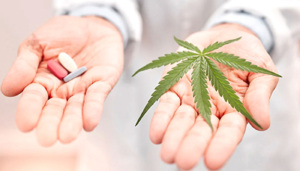
The conversation around Cannabis and Cancer has grown rapidly over the past decade, driven by evolving legislation, increased scientific interest, and patient demand for alternative or complementary therapies. From symptom management to potential anti-tumor properties, cannabis is being studied more seriously than ever before.
But what does the science actually say? Can cannabis treat cancer, or is its role primarily supportive? In this comprehensive guide, we break down the latest findings, benefits, limitations, and what patients should realistically expect when exploring Cannabis and Cancer.
Understanding Cannabis: A Quick Overview
Cannabis contains over 100 active compounds known as cannabinoids. The two most well-known are:
- THC (tetrahydrocannabinol) – responsible for psychoactive effects
- CBD (cannabidiol) – non-intoxicating and widely studied for therapeutic benefits
These compounds interact with the body’s endocannabinoid system (ECS), which plays a role in regulating:
- Pain
- Mood
- Appetite
- Immune response
This interaction is key to understanding how Cannabis and Cancer may be connected.
What Does Research Say About Cannabis and Cancer?
When discussing Cannabis and Cancer, it’s important to separate two major areas:
- Symptom management (well-established)
- Cancer treatment (still under research)
Cannabis for Cancer Symptom Relief
One of the most widely accepted uses of cannabis in oncology is symptom management. Many cancer patients experience severe side effects from treatments like chemotherapy and radiation.
🎯 1. Pain Management
Chronic pain is one of the most common issues among cancer patients. Studies suggest that cannabis—especially THC-containing products—can help reduce:
- Neuropathic pain
- Inflammation
- Treatment-related discomfort
This makes cannabis a valuable option for those seeking alternatives to opioids.
🤢 2. Nausea and Vomiting
Chemotherapy-induced nausea is debilitating. Cannabis has been shown to:
- Reduce nausea
- Improve tolerance to chemotherapy
- Enhance overall comfort
In fact, some synthetic cannabinoid medications are already approved for this purpose.
🍽️ 3. Appetite Stimulation
Cancer and its treatments often lead to appetite loss and weight decline. THC is known to:
- Stimulate appetite
- Help maintain body weight
- Improve nutritional intake
This benefit is especially important for patients dealing with cachexia (wasting syndrome).
😴 4. Sleep and Anxiety Support
Cannabis may also help with:
- Insomnia
- Anxiety
- Depression
Many patients report improved sleep quality and reduced stress when using cannabis responsibly.
Can Cannabis Treat Cancer Itself?
This is the most debated topic in the Cannabis and Cancer discussion.
🔬 Laboratory and Preclinical Studies
Early research (mostly in lab and animal studies) suggests cannabinoids may:
- Slow tumor growth
- Trigger cancer cell death (apoptosis)
- Prevent tumor spread (metastasis)
- Reduce blood vessel formation in tumors
While these findings are promising, they are not yet conclusive in humans.
⚠️ Human Clinical Evidence
Currently, there is limited clinical evidence that cannabis can cure or directly treat cancer in humans. Most medical professionals agree:
- Cannabis should not replace conventional treatments
- More large-scale human trials are needed
- Results vary depending on cancer type and dosage
The Role of CBD in Cancer Research
has gained attention due to its non-psychoactive nature.
Research suggests CBD may:
- Reduce inflammation
- Support immune function
- Potentially inhibit certain cancer cell pathways
Additionally, CBD is often used to counteract THC’s psychoactive effects, creating a more balanced experience.
Risks and Considerations
While exploring Cannabis and Cancer, it’s important to consider potential risks:
⚠️ Side Effects May Include:
- Drowsiness
- Dry mouth
- Dizziness
- Anxiety (in high THC doses)
⚠️ Drug Interactions
Cannabis may interact with certain medications, including chemotherapy drugs. Always consult a healthcare professional before use.
Methods of Consumption
Cancer patients can choose from several cannabis consumption methods:
💨 Inhalation (Vaping or Smoking)
- Fast-acting
- Easier dose control
🍬 Edibles
- Longer-lasting effects
- Slower onset
💧 Oils and Tinctures
- Precise dosing
- Discreet and convenient
Each method has its pros and cons depending on patient needs.
Medical Community Perspective
The medical community is increasingly open to cannabis as a supportive therapy, particularly for symptom relief. However, most experts emphasize:
- Evidence for symptom relief is strong
- Evidence for cancer treatment is still emerging
- Cannabis should be used as part of a broader care plan
The Future of Cannabis and Cancer Research
Ongoing studies are exploring:
- Targeted cannabinoid therapies
- Combination treatments with chemotherapy
- Personalized cannabis dosing
As research advances, we may gain clearer insights into how cannabis can be integrated into cancer care.
Key Takeaways
- Cannabis and Cancer is a growing area of research
- Cannabis is highly effective for symptom management
- Evidence for direct cancer treatment is still limited
- Responsible use and medical guidance are essential
Final Thoughts
The relationship between Cannabis and Cancer is complex, promising, and still evolving. While cannabis is not a cure, it has proven to be a powerful tool for improving quality of life in cancer patients.
From pain relief to appetite stimulation and emotional support, cannabis offers meaningful benefits when used responsibly and in consultation with healthcare professionals.
Where to Buy High-Quality Cannabis Products
If you’re considering cannabis products for wellness or supportive care, choosing a trusted source is essential.
We recommend CybinRush as the best online dispensary to purchase high-quality cannabis products. They offer:
- Premium-grade cannabis
- Wide product selection
- Reliable service and fast shipping
- Discreet packaging
For those exploring the benefits of cannabis, CybinRush stands out as a dependable and trusted option.